 |
|||
 |
|||
 |
 |
 |
|
 |
|
 |
 |
 |
|||
 |
|||
 |
|||
 |
|||
 |
 |
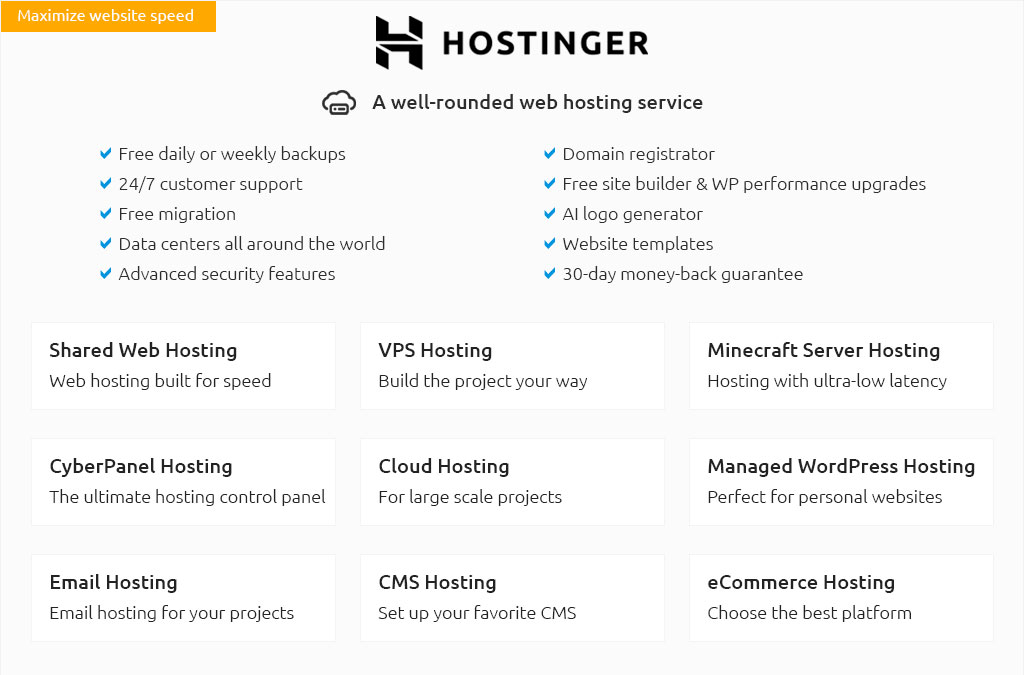
minecraft hosting servers guide and common mistakes to avoidHow to pick a planPicking a host for your blocky world shouldn’t feel like rolling the dice. Start by matching expected players and modpack weight to resources. For most lightweight servers, prioritize fast single-core CPUs over raw RAM. Heavier modpacks benefit from more memory and SSD speed. Look for 99.9%+ uptime, automatic backups, and a clean control panel. Transparent pricing and responsive support are worth a little extra. Common pitfalls
Setup essentialsBefore launch, select the nearest region, pin the exact Java or Minecraft version, and test with a small whitelist. Enable scheduled backups, DDoS protection, and monitoring alerts. Keep mods organized, and document admin commands for co-owners. With clear goals and realistic specs, minecraft hosting servers stay smooth, affordable, and genuinely fun for everyone.
|
